From Capsule To Gut Microbiome
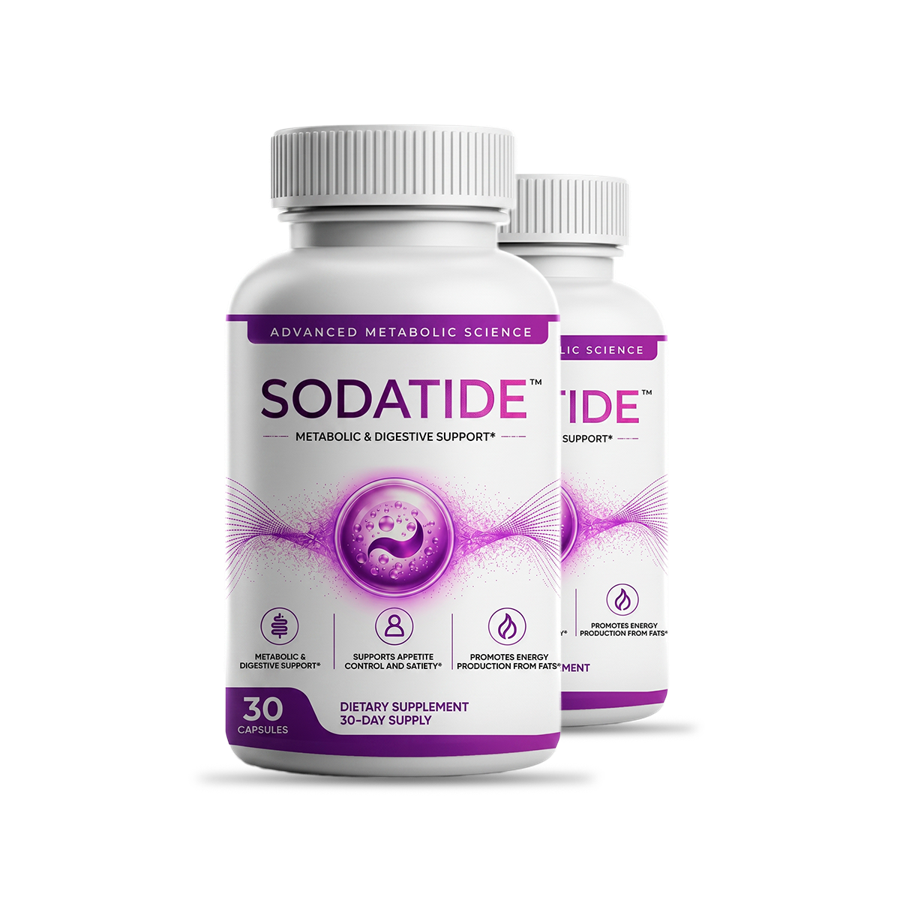
SodaTide's logic rests on a well-established research finding: the gut-metabolism-weight connection is real, and specific probiotic strains play a bigger role in it than others.
Why Akkermansia Muciniphila Specifically
A large body of research shows that people with obesity tend to have different microbiome compositions than lean individuals, and Akkermansia muciniphila levels are typically lower in people who are overweight. A 2019 study published in Nature Medicine (Depommier et al.) gave pasteurized Akkermansia to overweight and obese participants and found improvements in insulin sensitivity and cholesterol levels compared to placebo.
Why The Prebiotic Fiber Matters
Introducing a beneficial strain without feeding it is only half the equation. The prebiotic fiber blend is included to feed Akkermansia and other beneficial bacteria once they're established in your gut.
An Honest Gap Worth Naming
That 2019 study tested a specific Akkermansia formulation in a controlled research setting — it did not test SodaTide. Whether SodaTide's specific formula, at its specific (undisclosed) doses, produces the same results hasn't been independently published. That's a real limitation, not a reason to dismiss the ingredient science, which is genuinely solid.
What This Means Practically
If you take SodaTide, you're betting that adding this probiotic strain plus prebiotic fiber will shift your microbiome in a positive direction. Individual response to probiotics varies with genetics, current diet, antibiotic history, stress, and sleep quality. See the full ingredient breakdown.